
Decentralized Heat Recovery
Decentralised Heat Recovery systems bring targeted, energy-efficient airflow to individual rooms—perfect for renovations, flats, or spaces where installing a centralised HVAC system isn’t practical. Each unit extracts moist, stale indoor air and transfers much of its warmth to incoming fresh air via an internal heat exchanger. Not only does this method help sustain comfortable temperatures, but it also lowers heating costs and enhances indoor air quality—without the need for extensive ductwork or costly build-outs.
What sets Decentralised Heat Recovery systems apart are their simplicity and flexibility: installation requires only a small wall opening and an electrical supply, making it an ideal retrofit solution for areas like bathrooms, kitchens, or bedrooms. These compact units operate continuously and can be paired or managed individually, giving you room-by-room control and maintaining a healthy living environment—without compromising on energy use or comfort.
Shop our range of Decentralized Heat Recovery systems below
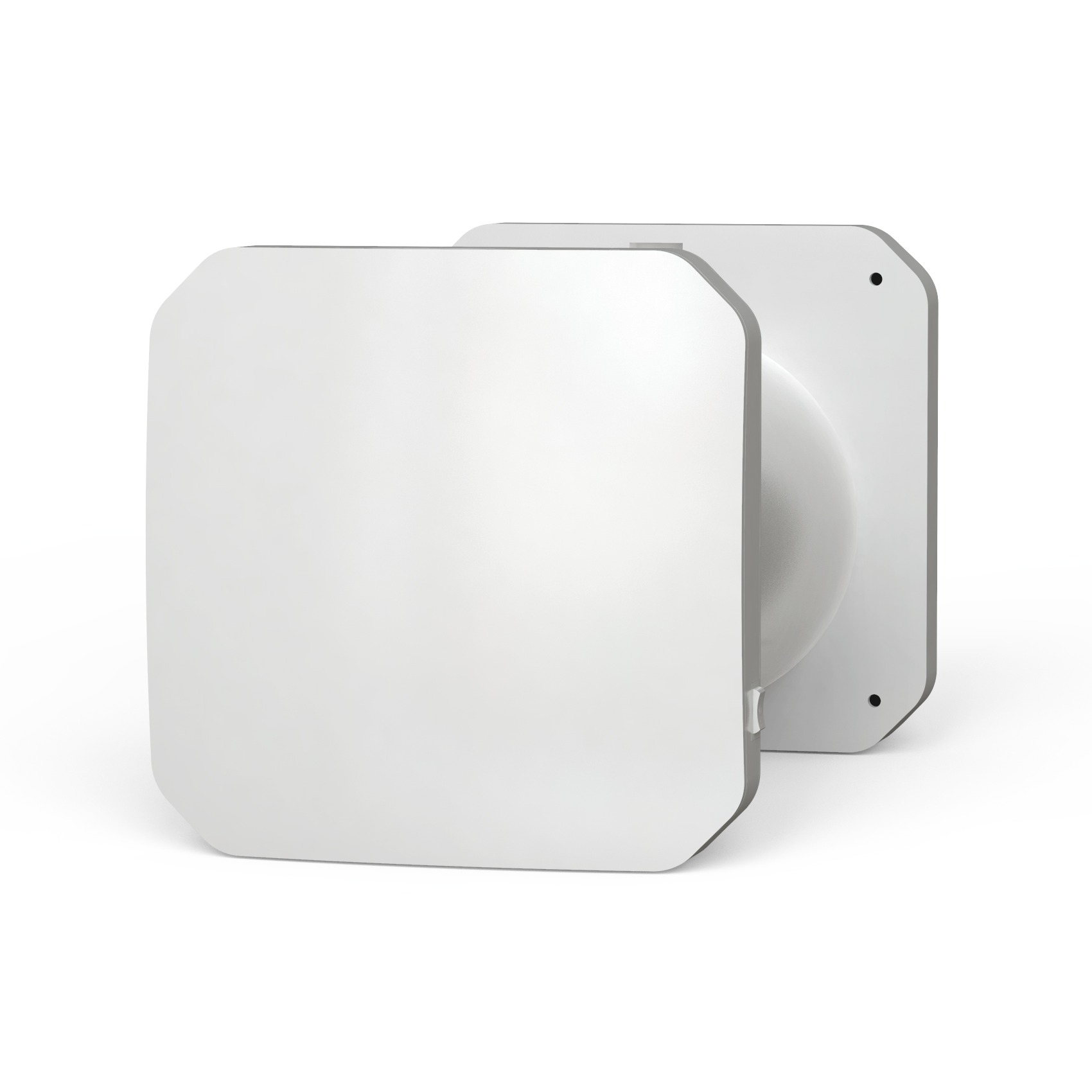
Showing all 11 results
-
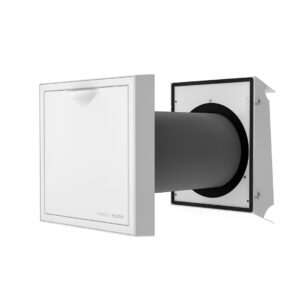
Flow FDX
744,15 € (price excl iva: 615,00 €) -
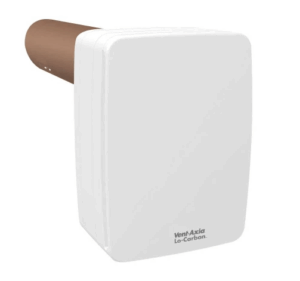
Lo-Carbon Tempra SELV HTP 320mm
544,50 € (price excl iva: 450,00 €) -
Lo-Carbon Tempra SELV HTP 460mm
580,80 € (price excl iva: 480,00 €) -
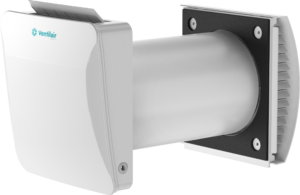
Mistral (with Humidity Sensor + Wifi + Pairing Function)
505,78 € (price excl iva: 418,00 €) -
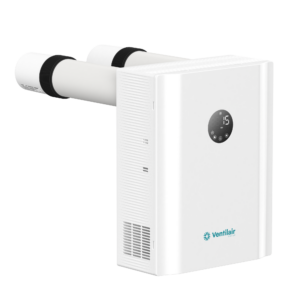
Natura
556,60 € (price excl iva: 460,00 €) -
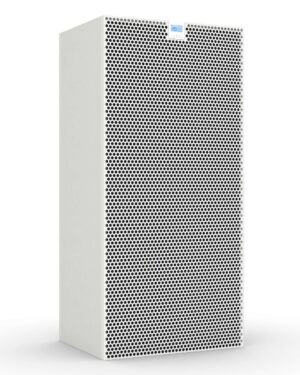
Scholar 500
3.799,40 € (price excl iva: 3.140,00 €) -
Scholar 700
4.253,15 € (price excl iva: 3.515,00 €) -
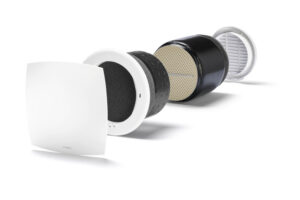
Smart Ventilation Unit
901,45 € (price excl iva: 745,00 €) -
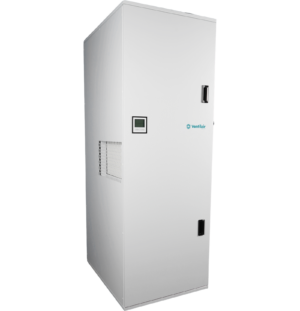
Studio Prado
4.174,50 € (price excl iva: 3.450,00 €) -
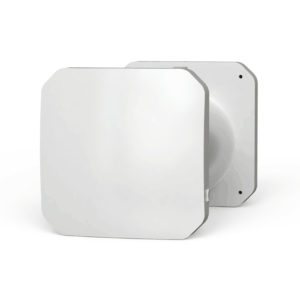
Zephyr
544,50 € (price excl iva: 450,00 €) -
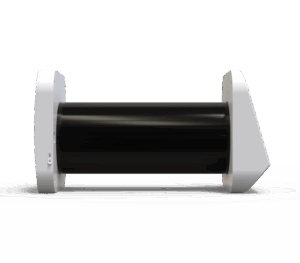
Zephyr Mini
502,15 € (price excl iva: 415,00 €)
Mechanical Ventilation with Heat Recovery
MVHR Units for Sale
At Ventilair Group, we hold a wide range of high-quality MVHR units for sale across Spain & Portugal. Our heat recovery systems are built for domestic, commercial, and industrial owners looking to work with experienced MVHR unit suppliers, specifically designed for our climate.
We provide high-value ventilation options for homes, apartments and working estates that desire little to no noise, easy maintenance and excellent energy efficiency performance across Spain & Portugal.
If you’re interested in buying one of our MVHR products, contact us today!
Heat Recovery Units for Sale
Our category of heat recovery units for sale offers high-quality, affordable, and easily maintained options for anyone looking to install a new, secure ventilation system. Our heat recovery systems help control cold air entering the building, reducing heat loss in colder months and improving air quality in warmer months.
We sell MVHR units, heat recovery ventilation systems, and centralised and decentralised ventilation units for individuals or businesses looking for easy heat recovery ventilation across Spain & Portugal. Our range includes wall-mounted, inline, bypass, and standard models, suitable for both single-room use and full-building ventilation.
What is a heat recovery unit?
A heat recovery unit is a ventilation system that can be installed in homes, offices, and industrial buildings to improve the surrounding air quality and energy efficiency in the room. The recovery unit is typically composed of a heat exchanger and filters to make air transfusion (transfer) easy and harmless.
These systems are installed to benefit individuals within the building, filtering cold air from the outside into hot air before it reaches the inside. It uses less electricity than a typical fan and produces heated air, unlike a fan or open window. It is best used in colder months to keep domestic, commercial and industrial buildings warm.
What are the benefits of a heat recovery system?
There are many benefits to acquiring a heat recovery system that may be more useful than relying solely on ventilators and heaters.
One benefit is maintaining good indoor air quality (fresh, oxygen-rich air) rather than higher CO₂ levels from breathing, lingering scents from cooking or cleaning, and excess moisture, which can lead to mould in a home.
Another benefit is reducing heat loss, as opening a window would bring in colder air more quickly. Similarly, you would guarantee lower energy bills in winter after installing a heat recovery system, as the unit recovers heat from the outgoing warm indoor air and uses it to pre-warm incoming cold air, so your heating system doesn’t have to work as hard to change new cold air to warm.
Heat recovery units also cost much less than a typical domestic heating system. This is because they use less electricity to run for long periods. Overall, they are a cheap and sustainable alternative.
Decentralised MVHR
We sell decentralised MVHR units for any domestic or commercial properties looking for a smaller, compact heat recovery unit that produces high-quality, warm air for an affordable price. Our decentralised HRV systems are fit for one-room use and practicality, perfect for small spaces and buildings.
Decentralised heat recovery units do not require a duct system, meaning that they can be installed in smaller spaces without the burden of worrying about duct space. This also means the MVHR unit installation process is more straightforward. These units are designed for one-room usage and are perfect for smaller spaces. There would have to be multiple units installed over the property to heat the entire building.
There is an added advantage to the fact that they each cover only one room: each room can have more centralised control over the temperature at any given time. Per unit, this system would be cheaper to install, and you would be able to decide how many are appropriate and needed for the property. A negative, however, of this system is that, due to the number of heat recovery systems that may need to be installed in each room, there is likely to be more noise.
| Model | Heat-Recovery Efficiency | Air Flow / Use Case | Notable Features |
|---|---|---|---|
| BSK Scholar 500 | Up to ~90-95% | ~500 m³/h | Designed for classrooms/offices, CO₂ sensor control, free-cooling bypass, high-capacity unit. |
| BSK Scholar 700 | Up to ~90-95% | ~700 m³/h | Larger variant of the Scholar range. |
| Fresh Flow FDX | Up to ~85% | Wall-mounted unit, retrofit friendly, cold-climate capable down to –20 °C | App control / wireless connectivity, flexible installation for individual rooms. |
| Vent-Axia Lo-Carbon Tempra SELV HTP (320 mm depth) | (Efficiency not clearly given) | Slim profile wall-unit (320 mm depth) | Intended for retrofit or limited space. |
| Vent-Axia Lo-Carbon Tempra SELV HTP (460 mm depth) | (Efficiency not clearly given) | Slim profile wall-unit (460 mm depth) | Slightly larger depth version of same unit line. |
| ZEPHYR Decentralised Heat Recovery Device (standard) | Up to ~90% | Various airflow sizes for single rooms | Ceramic heat-exchanger core, 2-way fan, silent night mode, WiFi/IR remote control. |
| ZEPHYR MINI Decentralised Heat Recovery Device | Up to ~90% | Compact version for smaller rooms | Compact design for smaller rooms / retrofit. |
Heat Recovery Unit FAQs
What is a heat recovery unit?
A heat recovery unit is a system that can be installed in homes, offices, and industrial buildings to improve air quality and keep rooms and buildings warm.
What is a decentralised heat recovery unit?
A decentralised heat recovery unit is a system used to keep one room of a building warm. They are connected and mounted to a single exterior wall with a single duct running from the inside to the outside.
What is a centralised heat recovery?
A centralised heat recovery system is designed to ventilate an entire building using a single central unit that recovers heat from outgoing stale air to pre-warm incoming fresh air. It comprises a ventilation unit and a network of ducts that supply fresh air to living areas while extracting stale air from moisture-prone areas like kitchens and bathrooms. This process maintains indoor air quality while reducing energy loss and heating requirements, resulting in significant energy savings.
What does a heat recovery unit do?
The purpose of mechanical ventilation with heat recovery (MVHR) is to exchange indoor air for outdoor air whilst transferring heat between the two airstreams. It can be a functional unit to install in homes, offices and industrial buildings for people who want quick heat exchange and lower-cost energy bills in colder months.
How does heat recovery work?
Heat recovery works by using a device called a heat exchanger to transfer heat from outgoing, old air to incoming, fresh air. This way, the two air streams don’t mix. This process helps save energy by using heat that would otherwise be wasted, and it ensures that fresh air is constantly entering.
What are the benefits of a heat recovery system?
Some of the benefits of mechanical ventilation with heat recovery include:
- Keeping the inside air quality high
- Clearing excess moisture from rooms
- Clearing excess odours from rooms
- Affordability electrical alternatives
- Sustainability and environmental
Are heat recovery units worth it?
Yes, heat recovery units are typically worth the cost, particularly for well-insulated houses. Heat recovery systems constantly swap stale indoor air for clean outdoor air and reclaim heat from the air exiting the house, saving on heating costs and delivering high-quality indoor air. Energy cost savings can pay back the upfront cost in time, particularly in colder regions where heating is needed. Heat recovery units also minimise condensation and mould risk. While in extremely mild climates or in less well-insulated houses, the advantage would be negligible. Proper installation and maintenance ensure optimum efficiency.
Should I leave my HRV on all the time?
Yes, it is advisable to have your heat recovery ventilator (HRV) running continuously. It provides constant airflow, maintains fresh, clean air inside, and provides continuous heat recovery. New HRVs are designed to run continuously, 24/7, and use very little electricity. Continuous operation prevents moisture buildup, reducing the risk of mould and improving indoor air quality.
The different settings on most heat recovery units are typically defined as ‘low’, ‘medium’, and ‘high’, and can be controlled to ventilate more depending on the time of year or personal uses, such as using a higher setting for cooking. However, ongoing flipping between settings may decrease efficiency, lose heat, and create excess stale or wet indoor air.
Do I need to open Windows if I have HRV?
Generally, you will not have to open windows because the HRV will transfer new air from the outside to the inside. The heat recovery system continuously introduces new exterior air and extracts stale interior air, providing high-quality air with minimal heat loss.
Winter window opening renders it less efficient because warm interior air escapes while cold air enters, bypassing the heat recovery function. However, you may open the window from time to time to provide extra ventilation, allow smells to escape, or cool the house during hot weather. For regular use, an HRV alone is sufficient to maintain indoor air quality without opening windows manually.
Does HRV work in winter?
HRVs, also known as heat recovery units, are primarily used in winter and colder months because they transfer old, heated air into fresh warm air from outside. This works when the cold outside air and the hot inside air enter the machine; instead of mixing, the two types of air pass by, and the heat from the inside air circulates the cold air, warming it and letting warm air into the house.
Can you open windows with MVHR?
If you purchase a mechanical ventilation system with heat recovery, you can open any windows for fresher air; however, this will reduce the heat recovery unit’s effectiveness. This is because the unit is applied to transfer any cold air from the outside into the warm air when it reaches the inside. By opening windows, especially in colder months, cold air will be drawn in, and the MVHR will have no hot air to transfer.
Should you leave your HRV on all the time?
Generally, leaving an HVR system on all the time is accepted but not recommended. During colder months, having a mechanical ventilation system with heat recovery will help keep the home warm and the air quality healthy. In hotter months, the heat recovery system will continue to draw in hot air from the outside, making the building hotter. You can turn the heat recovery unit on for short periods during the day to ventilate with fresh air, especially if the building is dealing with stuffiness or odours; however, windows also work in this regard.
Does a heat recovery system use a lot of electricity?
A mechanical ventilation with heat recovery system does not require much electricity to operate, typically only enough to power the inner fans that control the system. Individuals benefit from purchasing a heat recovery system because it is an affordable alternative that uses less electricity.